
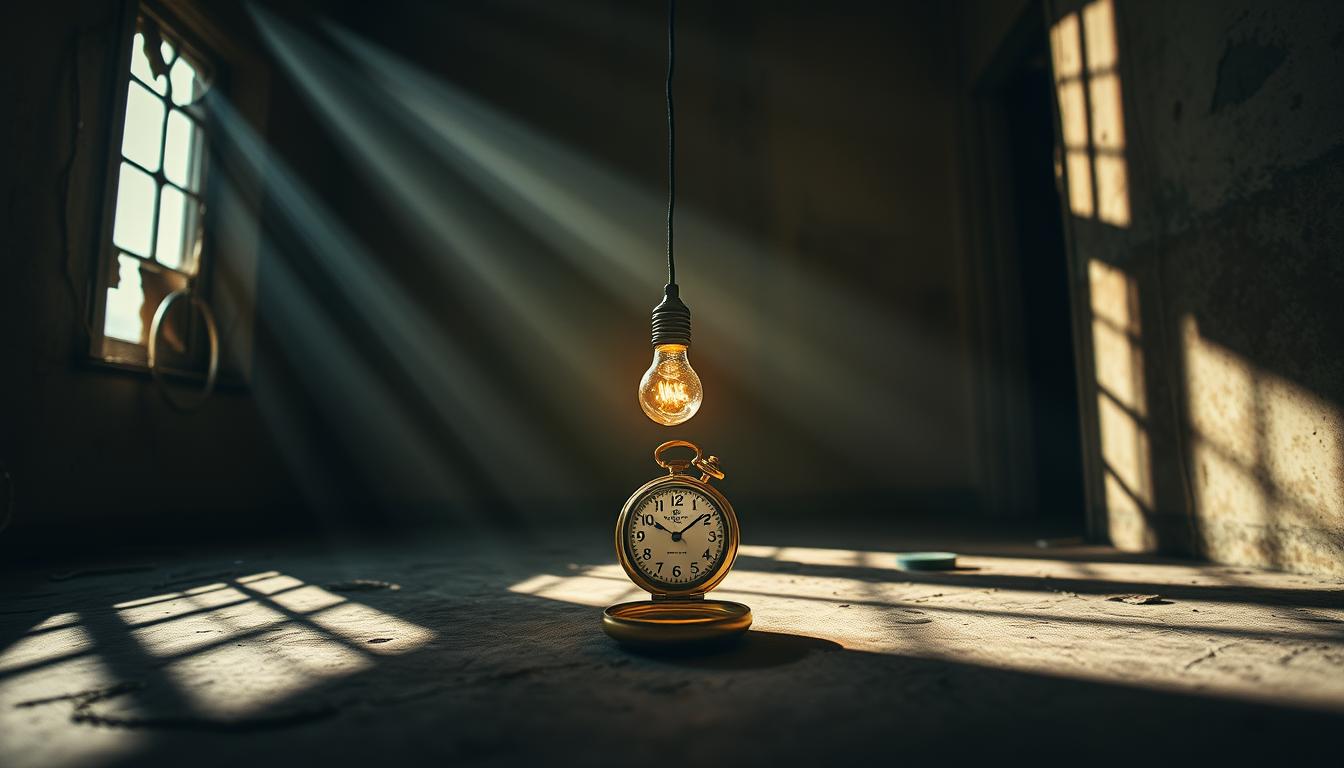
A second can hold the universe in its grasp. It’s defined as 9,192,631,770 atomic vibrations of cesium-133. This tiny unit of time shows us that even the smallest impact of seconds can lead to life-changing moments.
Think about how a split-second decision can change a career path. Or how a brief conversation can reshape a relationship. These are the defining moments that can last for years. They show us that the significance of time is not in its length, but in its power.
Event planners understand this well. They turn ordinary seconds into strategic Reset Moments. From Post-Client Meeting Reviews to Vendor Confirmation Checks, their routines are filled with these moments.
Each step they take—Step Back, Get Perspective, Realign—turns routine actions into tools for clarity. This is similar to how the brain’s neocortex can override quick reactions. Einstein said that heightened awareness unlocks problem-solving power. This shows how moments can shape not just seconds, but our entire destiny.
Understanding the Concept of “Moments”
Humans have tracked time for thousands of years, from ancient sundials to modern atomic clocks. Yet, our time perception warps reality. A 5-minute wait can feel like an eternity during a job interview, but a fun afternoon can disappear quickly. This shows why some seconds become memorable instants.
Science calls this psychological time, where emotions change our mental timeline. It’s why some moments stay with us forever.
“Defining moments are short experiences that are both memorable and meaningful,”
Neuroscientists say meaningful moments often bring elevation, insight, pride, or connection. A nurse might work 43% harder after hearing a colleague’s lifesaving story. These moments can be planned, like family traditions, or spontaneous, like a surprise gift.
Our brains love emotional highs. Even small acts, like a handwritten note, can become cherished memories.
Studies show recognition boosts motivation more than raises. Southwest Airlines found funny announcements increased customer loyalty. By designing moments with purpose, like John Deere’s employee onboarding rituals, we make routine meaningful.
Whether it’s a child’s first bike ride or a team’s breakthrough, these moments shape our lives. Understanding this lets us create experiences that last long after time moves on.
Historical Moments That Changed the Course of History
History’s most historical turning points often started with quick choices. The Cuban Missile Crisis of 1962 is a prime example. It was a 13-day standoff over nuclear weapons in Cuba. Luckily, a compromise was reached, avoiding a global war.
“We are not afraid to entrust the American people with the facts,” President John F. Kennedy said. This moment shows the importance of pivotal historical seconds.
Rosa Parks’ act of defiance in 1955 sparked the Montgomery Bus Boycott. Her refusal to give up her bus seat was a historic decision. It led to a decade of civil rights progress.
The atomic bombs dropped on Hiroshima and Nagasaki in 1945 changed the world. They ushered in the nuclear age. Decisions like these affect generations to come.
These world-changing moments show how individual actions can change history. The Dred Scott Supreme Court ruling in 1857 denied citizenship to Black Americans. It fueled tensions leading to the Civil War.
On the other hand, Abraham Lincoln’s assassination in 1865 changed Reconstruction plans. It shows how fragile progress can be.
From penicillin’s accidental discovery to election-altering revelations, history’s path changes at key moments. Each example teaches us: the power to change destiny lies in every historic decisions we make.
The Science Behind Memorable Moments
Memories aren’t random—they’re shaped by how our brains prioritize what matters. The neuroscience of significant moments shows that our brain filters experiences based on how emotional they are. The amygdala makes strong feelings more intense, while the hippocampus stores details, linking emotion and memory closely.
Our brains also change how we see time. An atomic clock defines a second exactly, but our minds stretch or shrink it. This is why scary moments feel longer and routine days seem shorter. Emotionally charged events release chemicals like dopamine, helping memory formation.
“The brain prioritizes moments that challenge or delight us, ignoring routine details.”
Even small emotional peaks, like a teacher’s praise, can create lasting memories. By understanding how the brain and memorable moments interact, we can seek out experiences that engage our senses and emotions. Whether it’s celebrating or facing challenges, science shows that emotional experiences make our lives unforgettable.
The Power of a Single Decision
Every day, we face choice moments that can change our lives. A single pivotal choice—like starting a new career or leaving a bad relationship—can start a chain of decision impact. Studies show 70% of people get stuck during big decisions. But, those who make a move often find new opportunities they never thought of.

Think about how life-changing decisions often come from quick chances. Psychologists say quick judgments can work well, but overthinking can lead to missed chances. For example, Tony Robbins’ decision-making power led to his 1 Billion Meals Challenge, helping millions. Also, 90% of people believe decisions help them grow, but 65% are scared of regret.
“The only way to avoid making a decision is to decide you won’t decide.”
Research shows 80% of people regret not acting more than making bad choices. To make the most of this, set deadlines. Those with timelines are 50% more likely to act. Every choice moment is a turning point. Embrace these moments; they are where our destiny starts.
The Ripple Effect of a Moment
A single moment can start chain reactions in life that go far beyond what we see. Like the butterfly effect, a small choice—a smile, a word, or a gesture—can ripple into moment consequences shaping futures we’ll never fully know. Think about a bus driver who started chatting with a quiet passenger at 4am. That 20-second exchange, born from a 12-minute ride, became a daily ritual.
Years later, the passenger shared how that kindness inspired them to mentor others, impacting thousands indirectly. Such life interconnections show how actions echo through time.
Research shows 80% of people believe a smile improves someone’s day, while small acts boost happiness by 30%. These impact beyond the moment statistics highlight how tiny gestures fuel collective change. Introverts may hesitate to engage, yet even a hello can spark a chain reaction.
Imagine the 5,500+ subscribers learning to navigate life’s challenges by valuing such interactions. Every decision, no matter how minor, threads into the fabric of life interconnections, influencing networks unseen.
Kindness isn’t just personal—it’s a force multiplier. A 20-second conversation at 4am can birth mentorships, inspire communities, and redefine legacies. The next time you question if your actions matter, remember: every moment holds the power to ripple into something grand.
Creating Meaningful Moments in Daily Life
Everyday significance isn’t just for big events. It’s found in small, thoughtful moments. Studies show that memorable daily moments often come from surprises and new things. For example, Motley Fool welcomes new employees with special desks and Friday starts to ease their first day.
Fitbit also celebrates small victories, like walking across India, making daily activities feel special. These moments add daily life meaning to our routines.

Psychology tells us we remember the best parts of our experiences most. To make memories, mix the usual with something new. Try a surprise picnic or a family trivia night every week. These meaningful moments stay with us.
Even small actions, like enjoying a sunrise, can make us more mindful and connected. It’s all about being present and intentional.
“We don’t find meaning by looking backward. We create it by acting forward.”
Chip Heath’s work shows we can plan intentional moments. Couples who tried new things together felt closer than those who didn’t. At work, celebrate a project’s end with a team lunch or thank a colleague for their hard work. These actions make ordinary days unforgettable.
Everyday significance grows when we mix intention with being present. By creating small rituals and enjoying the familiar, we enrich our lives with meaningful moments. The key is not waiting for life to change, but changing how we live it.
The Influence of Technology on Moments
Technology changes how we make, share, and remember moments. digital moments now mix with real-life experiences, making it hard to tell what’s real and what’s online. Social media turns quick moments into social media moments, focusing on likes over real connections. Apps like Instagram or TikTok let us pause time, but too much screen time can make us miss out on being fully present.
Research shows technology and time perception are closely connected. The “peak-end rule” makes edited moments seem more important than real ones. Yet, tools like Genesys help brands improve tech impact on experiences. For example, Marks & Spencer’s tech upgrades offer smooth online-to-offline experiences, making everyday interactions memorable.
“A photo can preserve a memory, but it doesn’t replace the warmth of sharing a meal without filters.”
Digital memory creation gives us lasting memories but might simplify complex feelings. Apps like Google Photos organize our photos, but experts say too much device use can lessen real connection. The question remains: do moments belong in posts or in our hearts?
Moments in Relationships
Relationships grow or break on relationship defining moments. These are key times when feelings run high and choices shape our futures. Even brief connection points, like a genuine smile from a partner, can guide us toward peace or parting ways.
Research by John Gottman shows that negative facial expressions can predict future fights. This highlights how small moments can have a big impact over time.

“Defining moments are short experiences that shape our lives through EPIC elements: Elevation, Pride, Insight, and Connection.” – Dan Heath
Positive shared experiences, like planning surprises or facing challenges together, strengthen bonds. Studies show that feeling positive together can even sync our heartbeats and improve our health. But, ignoring each other’s feelings can push us apart.
Small gestures, like daily chats or celebrating small victories, make every day special. When disagreements happen, using empathy can turn them into chances for growth. The peak-end principle teaches us that memorable moments, not constant fights, stay with us.
Every relationship turning point is a chance to deepen our connection. By being responsive, joyful, and respectful, we can turn everyday moments into lasting expressions of love.
The Role of Moments in Personal Growth
Identity-shaping moments shape who we become. They can be a career choice, a failure, or a new friendship. These experiences change our sense of purpose. Studies show that people between 18 and 30 have many growth experiences.
Books like the one rated 4.7/5 on Amazon offer ways to make these moments last. They show how to turn short events into lasting changes.
Transformation moments often come out of nowhere. Think of two strangers becoming friends in just 45 minutes. This shows how brief moments can change our connections.
Setting goals, like learning Spanish, can lead to breakthroughs. Even small actions, like writing gratitude letters, can change how we see challenges.
Courageous choices help us grow. Public speaking or owning up to mistakes can make us proud and inspire others. A book ranked #5 in its category talks about reflecting on key moments to learn from them.
By embracing both planned and unplanned moments, we can use life’s twists to grow stronger and more aware of ourselves.
Finding the Power in Challenging Moments
Difficult moments don’t have to define us—they can transform us. Dr. Kamal Kar’s work in Bangladesh is a great example. He tackled open defecation and turned a 34% problem into a 1% success. This shows how facing challenges can lead to innovation.

80% of managers claim to praise often, yet only 20% of workers agree. This disconnect reveals how recognition fuels resilience building—or breaks it.
Building resilience starts with small steps. Programs like Couch to 5K use mini-milestones to help people overcome challenges. Mindfulness and seeing setbacks as lessons help change our thinking.
Barbara Fredrickson’s research shows memorable peaks shape our mindset. Even Southwest Airlines uses humor in safety talks to boost loyalty. This shows how positivity can make routine meaningful.
Transforming hardship requires making intentional choices. Studies show recognition is a top motivator for decades. When nurses learned from peers, their performance improved 64%.
Small acts of support, like sharing stories or setting goals, turn struggles into growth opportunities. Seeing challenges as puzzles to solve, not walls to fear, is key.
Every setback holds the chance for growth. By focusing on what we can control, we move from surviving to thriving. As Fredrickson notes, “Engagement builds insight faster than reflection.” Choosing to act, even in small ways, turns difficult moments into stepping stones toward resilience.
Celebrating Moments that Matter
Every moment has the power to shape our lives and connections. Studies show that commemorating important moments, like promotions or personal wins, strengthens memory and emotional impact. The “peak-end rule” tells us that memorable events leave lasting impressions.
So, honoring significant experiences through rituals or shared joy creates lasting bonds. Whether it’s a family dinner tradition or a workplace recognition, meaningful rituals turn ordinary days into cherished memories.
Community life celebrations boost belonging—75% of people feel more connected after gatherings. Simple acts like birthday shout-outs or post-project meals can lift morale. Ignoring milestones risks missed opportunities.
Companies that celebrate transitions, like first anniversaries or project completions, see higher retention. Even small gestures, like a handwritten note or a toast, amplify moment appreciation. They turn fleeting events into anchors of meaning.
Personal honoring significant experiences starts with intention. Marking a child’s first day of school or a career shift with meaningful gestures turns them into stories that define identity. Communities thrive when they embrace shared joy—90% of those who share meals in celebrations report stronger relationships.
Prioritize moments that resonate, whether a quiet reflection or a grand party. Let rituals reflect your values, and watch how small acknowledgments weave threads of purpose into everyday life.