
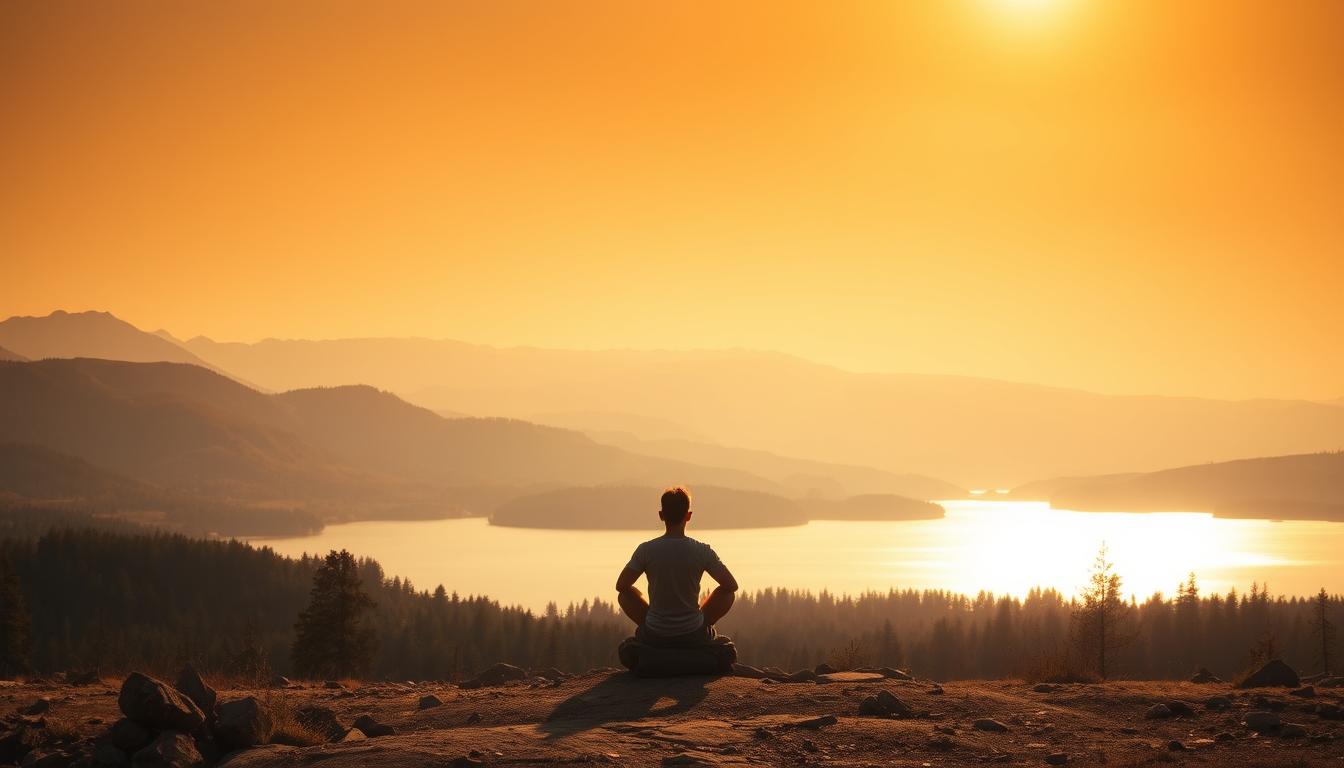
In today’s fast world, many see being alone as bad. But, benefits of solitude are real. Studies show it boosts confidence, clarity, and resilience.
Yet, we’re pushed to stay connected all the time. This ignores how embracing being alone can improve our mental health and relationships.
Being alone teaches us to know ourselves better. Harvard and the University of Michigan found it helps teens feel their emotions and grow in self-esteem.
Old wisdom, like Egypt’s “Know Thyself,” and African sayings like “Haraka Haraka Haina Baraka,” show solitude’s power. It’s not about being alone—it’s a way to grow in a loud world.
Understanding the Importance of Solitude
Solitude and loneliness are not the same. Solitude is a choice to be alone, while loneliness is feeling left out. Studies show that being alone can spark creativity and help us find ourselves. It’s different from feeling isolated, which can hurt our emotions.
Think of quiet mornings, walks without music, or writing in a journal. These are alone time benefits that make us stronger.
Research found that teens who didn’t use screens for five days got better at reading emotions. Adults who spent time alone focused better, and older adults solved problems more easily. These lessons in being alone show that being alone can make us smarter.
But, being alone isn’t always easy in today’s world. We’re always connected. Solitude is not about hiding away. It’s a way to grow and understand ourselves better, helping us shine in a busy world.
The Benefits of Embracing Alone Time
Solitude isn’t about being alone—it’s a chance to recharge and grow. The benefits of solitude include less stress and clearer thinking. By making time for alone, people learn important lessons, like what they value most.
Studies show solitude can lower stress by 25%. This proves its importance in mental health and solitude care.
Many creatives need solitude to spark their ideas. Over 78% of artists and innovators say their best ideas come when they’re alone. Solitude helps focus the mind, allowing it to explore new ideas without distractions.
This aligns with studies showing a 25% boost in problem-solving skills after daily alone time.
Despite what you might think, solitude can actually strengthen relationships. 55% of people say they connect better with others after spending time alone. By understanding themselves better, they communicate more genuinely, forming deeper bonds.
Improved self-awareness—30% higher for those who practice solitude—helps set realistic goals and reduces anxiety.
Even small steps can make a big difference. Spending just 30 minutes daily in quiet can change how you handle stress and think creatively. The lessons in being alone teach patience and clarity, making solitude a tool for personal growth and better mental health.
Overcoming the Fear of Being Alone
Learning lessons in being alone begins with recognizing that fear of being alone is normal. Over 42% of millennial women fear loneliness more than illness. This shows how much this fear affects our lives today. Yet, small steps can turn discomfort into calm.
Start with a solitude practice as short as 10 minutes a day. You can sip tea, journal, or just sit quietly. These moments help you get used to being alone, making you less anxious over time.
Monophobia, or the fear of being alone, often comes from unmet emotional needs or past trauma. If you feel heart palpitations or dread, take a deep breath. Remember, being alone doesn’t mean you’re isolated.
Therapies like CBT can change how you think, and apps like Headspace can teach you to stay present. The Crisis Text Line (741741) is there for you when you feel overwhelmed.
Begin by setting aside time for solitude, just like you would any other appointment. Do things you like while you’re alone, like gardening, cooking, or listening to podcasts. Each time you succeed, celebrate.
As you get better at it, you’ll see that overcoming fear of solitude is a skill you can develop. Don’t worry if you stumble. Keep going, and remember, persistence is key.
Building Resilience Through Solitude
Emotional resilience grows when we embrace solitude as a tool for growth. Lessons in being alone teach us to sit with discomfort. This turns quiet moments into chances to understand our emotions. This self-awareness helps us navigate life’s storms calmly.

Research shows people who value solitude for personal growth build stronger coping mechanisms. A 2018 study found that self-compassion reduces loneliness. Neglecting emotional needs can lead to anxiety or poor health. By reflecting in solitude, we learn to challenge negative thoughts—a skill that boosts resilience.
Self-discovery in solitude reveals strengths we didn’t know we had. Keeping promises to oneself, like daily routines or hobbies, builds self-trust. This confidence helps during crises, like the pandemic, where structured days and mindfulness practices eased isolation’s impact.
Resilience isn’t about isolation—it’s about cultivating inner strength to connect more authentically. When solitude becomes a practice, it transforms loneliness into clarity. Through this journey, we learn to face challenges with courage, knowing our inner resources can guide us through even the roughest waves.
Cultivating Mindfulness in Solitude
Mindful solitude turns alone time into a journey to inner peace. By focusing on the present, we learn to be alone. This can be through meditation, journaling, or walking in nature.
These moments help quiet our minds and increase emotional awareness. Studies show that such practices lower stress hormones. This eases tension and brings calmness.
“In our fast-paced world, we’re often pushed to be constantly active… but there’s immense value in pausing to breathe, reflect, and be.”
Studies show that mindful solitude sharpens focus. A 2017 study found 70% of participants felt more peaceful after solitude. Dr. Mary V. Seeman’s work shows it boosts creativity and self-awareness.
Even short moments of mindful solitude can slow a racing mind. It lets thoughts flow without judgment.
Building this practice takes patience. It starts with small steps, like sitting quietly for five minutes daily. Note your emotions without judgment.
Over time, this practice trains the brain to handle stress better. Kenneth Rubin’s research says solitude must be voluntary and balanced with social connections to stay healthy.
Mindful solitude teaches us to face discomfort head-on. It’s okay to feel awkward at first—it’s part of growth. As we practice, we gain clarity on what truly matters.
The mind becomes calmer, and decisions feel more intentional. This awareness extends beyond solitude, enriching daily life.
Strengthening Relationships by Being Alone
Being alone isn’t about being isolated. It’s a chance to improve your social skills. Studies show that 75% of people who value alone time benefits feel more energized and less stressed in social situations. This time alone helps you think about how you communicate and connect with others.

Think of being alone as practice for better relationships. A 2023 study found that those who enjoy lessons in being alone have 40% higher emotional resilience. This means they can handle conflicts better without getting stressed. For example, journaling during alone time helps you understand your interactions better, making conversations more real.
“By spending time with yourself, you are able to better reflect on your interactions and relationships.”
Introverts, who make up 30% of the population, often find a balance. They don’t dislike being around others; they just need time to themselves to be more present. Even extroverts can benefit: 60% say alone time improves their clarity, leading to deeper connections. When you’re not tired from always being around people, you can listen better, express yourself openly, and avoid burnout.
Healthy solitude isn’t selfish—it’s a gift to others. It lets you approach relationships with patience and presence, making every interaction count.
The Power of Alone Time for Mental Health
Modern life often keeps us busy. Yet, studies show surprising truths. In one study, many chose electric shocks over sitting alone, showing how unfamiliar we’ve become with solitude. Yet, the benefits of solitude are clear: intentional alone time boosts mental health and solitude’s role in emotional balance.
Research from the “Solitude Project” shows people who choose solitude report less stress. A University of Calgary study even links alone time to higher productivity. These lessons in being alone teach us to process emotions without external noise.
“In solitude, I learned the importance of being my own best friend.”
Therapists note solitude helps clients reconnect with their needs. It’s not isolation—it’s self-care. Even brief alone time, like 15 minutes daily, can reset your mindset.
Mental health and solitude go hand in hand. Choosing solitude isn’t selfish; it’s essential. By embracing quiet moments, we build resilience, reduce anxiety, and foster self-compassion.
Exploring Hobbies and Interests Alone
Discovering new solitude activities can turn alone time into a journey of self-discovery. Whether painting, gardening, or hiking, hobbies pursued solo let you focus without external pressure. As one reader shared, “I learned to nurture my passions when I stopped waiting for others to join.” These moments are lessons in being alone that fuel creativity and confidence.

Solo exploration often reveals hidden talents. Try sketching, cooking, or learning an instrument—activities that demand full attention. Research shows creative hobbies boost problem-solving skills and emotional clarity. Even simple acts like journaling or birdwatching can deepen self-awareness, aligning with solitude for personal growth.
Physical activities like yoga or hiking also shine in solitude. A 2023 study found solo yoga sessions reduced anxiety and improved sleep. Even mundane tasks, like baking or organizing, become meditative when done alone. Remember: solitude isn’t isolation—it’s space to reconnect with your passions. Let curiosity guide you, and watch how solo hobbies transform how you see yourself and the world.
Creating a Solo Routine
Starting a solitude practice is simple. Begin with small steps like enjoying a morning coffee by yourself or taking a walk without your phone. These small habits can grow into important routines. The key is to be consistent, not perfect.
Susan Cain’s research shows that even extroverts need alone time to recharge. It’s not about being alone all the time, but about finding balance.
It’s important to schedule time for yourself. Try waking up early or setting aside Sundays for personal reflection. One woman uses her weekends for deep thinking.
Lessons in being alone teach us to find quiet places for focus. This could be a quiet café, a park bench, or a cozy spot at home. Bella DePaulo’s work shows that solitude can boost creativity when we’re not distracted by others.
“Cognitive resources thrive when we step back from others.”
To avoid distractions, set clear boundaries. Turn off notifications, wear noise-canceling headphones, or share your schedule with family and friends. Pair your alone time with activities that nourish your mind and soul, like journaling, yoga, or painting.
Research from Stockholm University found that nature sounds help us recover from stress. So, take walks in parks or listen to forest recordings at home.
Embracing being alone means listening to your needs. Start with 10 minutes a day and increase as you become more comfortable. Let your routine reflect your goals, whether it’s for clarity, creativity, or peace. Remember, solitude is a tool for growth, not isolation. As DePaulo says, it’s about quality, not quantity. Experiment, adapt, and let your practice grow with you.
Lessons Learned from Solitude
Learning from solitude shows how quiet moments shape us. A woman spent 4 months alone while her partner worked. Her cat, Boo, 19, was her silent friend, teaching her patience.
Even without experience, she found routines. She started her day with Dragon Well tea, did yoga, and watched only one TV episode a day. These choices made solitude a teacher.
“In solitude, I found my voice grew louder than my fears,” she shared, recalling how a wrong coffee order led to discovering matcha lattes.

Lessons from being alone come from unexpected moments. A wrong coffee order or a housemate’s music practice taught her. Solitude isn’t isolation.
Even with 999 as a speed dial, she learned safety comes from within. Cooking corn muffins became a ritual, showing creativity thrives alone. The 7.5 billion people on Earth each face aloneness uniquely, yet all share its growth.
Self-discovery in solitude changes our priorities. Her cat’s steady presence taught her to value consistency. Logging 1 call daily to her parent kept her grounded while exploring new paths. Watching Jackie Chan with a new friend balanced solitude with connection.
These experiences show solitude isn’t an end—it’s a classroom. It’s where we rediscover our truest self.
Embrace solitude’s quiet lessons. Let its calm guide you toward clarity. Your journey inward becomes a map for life’s busier days.
Conclusion: Embracing Solitude as a Strength
Learning to be alone can lead to self-discovery. Studies show 40% of adults feel lonely. Yet, embracing solitude can turn these moments into chances for growth.
Choosing to be alone can bring clarity, like a 50% boost in focus. This isn’t just mental; it also boosts resilience and creativity. About 70% of people find they’re more innovative after spending time alone.
Solitude helps us grow by finding a balance between alone time and meaningful connections. Data shows 75% of those who value solitude feel more fulfilled. It’s not about being isolated but about renewal.
Start small by reading, journaling, or just sitting quietly. Each step builds your self-reliance. It helps you set goals and face life’s challenges with confidence.
Solitude isn’t about avoiding others; it’s about strengthening yourself. Whether through meditation, hobbies, or quiet reflection, these moments help you recharge. By valuing alone time, you honor your needs and stay open to the world.
The path to growth is personal. So, explore what solitude offers you today. Your journey begins with one mindful moment at a time.